The Progression of Hand Reading Expertise in Repeated Casino Duels and Contributions to Sustained Asset Growth
Petra Schwarz · Oct 21, 2026

The Progression of Hand Reading Expertise in Repeated Casino Duels and Contributions to Sustained Asset Growth
Hand reading in poker has developed over many decades from basic observation of physical mannerisms into structured analysis of betting patterns and range construction, particularly in heads-up casino settings where repeated encounters allow players to refine these abilities over time. Early practitioners in the mid-20th century relied on visible tells such as eye contact and chip handling during live games at venues like those in Nevada, while later advances incorporated statistical tracking once online platforms emerged in the 2000s. Data from the Nevada Gaming Control Board shows steady growth in heads-up tournament entries through the 2010s, reflecting increased interest in one-on-one formats that reward precise opponent modeling.
Early Foundations in Live Casino Environments
Observers note that hand reading began with informal study of opponents during extended sessions at brick-and-mortar tables, where players tracked tendencies like frequent bluffs or tight play under pressure. These methods evolved as casinos expanded their poker rooms in the 1970s and 1980s, creating more opportunities for repeated duels against the same regulars. Research indicates that players who maintained mental notes on betting frequencies achieved higher win rates in cash games, since patterns repeated across multiple nights of play. Such consistent observation helped some accumulate bankrolls that withstood variance in longer campaigns.
Technological Shifts and Range Construction
Once digital tools became available, hand reading incorporated software that displayed historical data on opponent actions, shifting focus from physical cues to mathematical ranges. Those who've studied this transition point out that heads-up hyper-turbo formats accelerated the need for rapid adjustments because stack depths changed quickly and each decision carried amplified weight. Figures reveal that players employing updated range charts during sessions at major casino properties recorded steadier results compared with those relying solely on intuition. And yet the core skill remained the ability to narrow an opponent's possible holdings based on prior actions observed across dozens of similar spots.
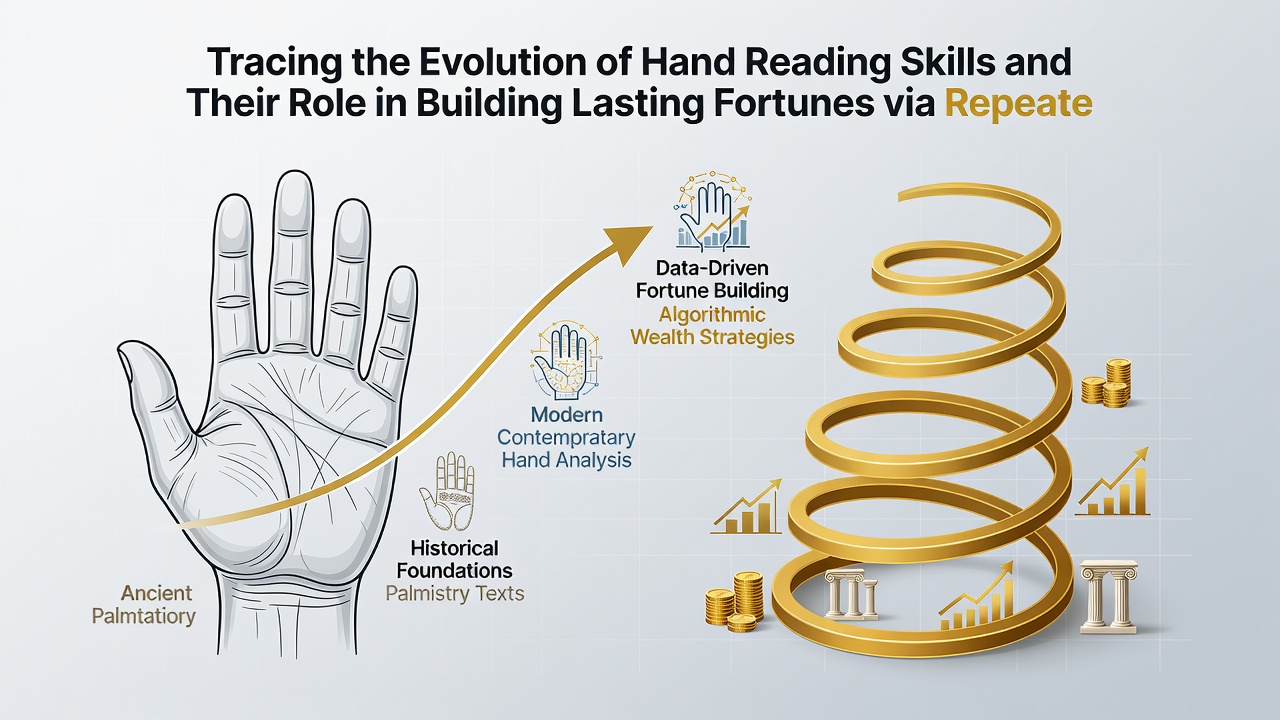
Application in Sustained Bankroll Expansion
Repeated casino duels provide the volume necessary for hand reading refinements to compound into measurable financial outcomes, since each session adds data points that inform future adjustments. Studies from the Canadian Centre on Substance Use and Addiction highlight correlations between disciplined tracking of opponent tendencies and longer-term participation rates among regular players. What's interesting is how these skills translate across different stack sizes and blind levels, allowing individuals to maintain edges even when casino conditions shift due to rule changes or player pools. Evidence suggests that those who integrate hand reading updates with basic bankroll protocols experience fewer deep drawdowns during extended runs of play.
Current Developments Around October 2026
By October 2026, several casino properties continue to host dedicated heads-up events that attract both local regulars and traveling competitors, giving observers fresh examples of evolved hand reading in action. Tournament structures now often include shorter blind levels that reward quick pattern recognition, while loyalty programs at certain venues track player volume in ways that indirectly support repeated exposure to the same opponents. Reports from the Australian Gambling Research Centre indicate that structured analysis of session data remains a common practice among participants seeking consistent results over months rather than single events.
Conclusion
The evolution of hand reading continues to intersect with casino environments that facilitate repeated one-on-one play, where accumulated observations contribute to steadier financial trajectories for those who apply the skills systematically. Historical records and contemporary data together illustrate how incremental improvements in opponent modeling have supported long-term engagement and asset accumulation across varied playing conditions.